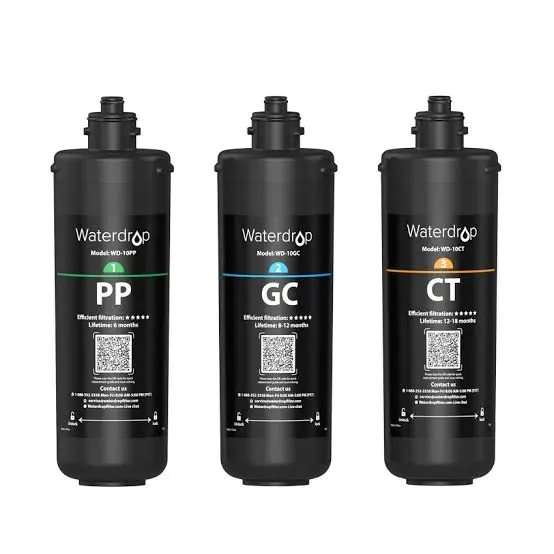
If you are looking to upgrade your home’s water quality, you’ve likely stumbled upon Reverse Osmosis (RO)—a highly effective filtration method that uses pressure to push water through a semipermeable membrane, stripping away up to 99% of impurities like lead, fluoride, and microplastics.
But as you shop around, you will notice a massive divide in design: Traditional RO systems with massive storage tanks versus modern, sleek Tankless RO systems.
For European kitchens, where under-sink cabinet space is practically prime real estate, the choice is becoming clearer. Let’s break down why tankless RO systems are rapidly replacing traditional systems in modern homes.
1. The Fight for Space Under the Sink
Traditional RO systems rely on a 10-to-15-liter pressurized storage tank. By the time you fit the tank, the multiple filter canisters, and the nest of color-coded tubing under your sink, you have virtually zero space left for your cleaning supplies or waste bins.
Tankless systems like the premium Waterdrop X Series (X12/X16) are exceptionally compact. By eliminating the tank completely, they free up to 70% of your under-sink cabinet space. They feature an all-in-one integrated design that looks more like a sleek computer console than a plumbing project.
2. Eliminating the Risk of “Secondary Pollution”
With traditional systems, purified water sits in a dark, damp rubber-lined steel tank for hours—sometimes days—before you drink it. Over time, if the system isn’t sanitized regularly, this standing water can become a breeding ground for bacteria, a phenomenon known as secondary pollution.
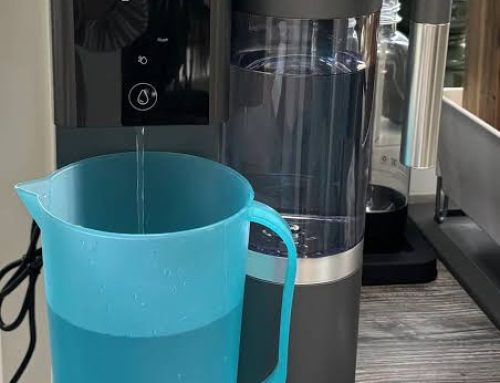
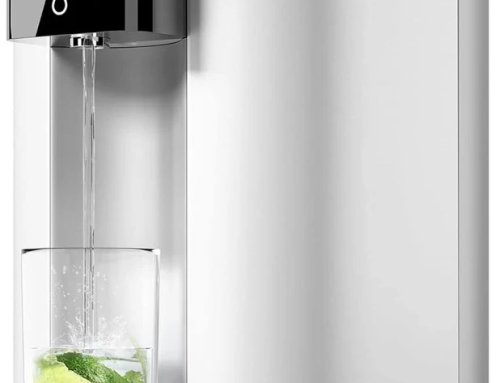
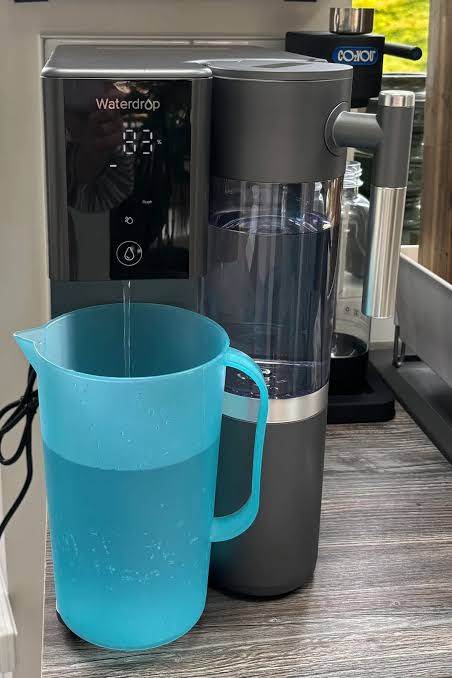
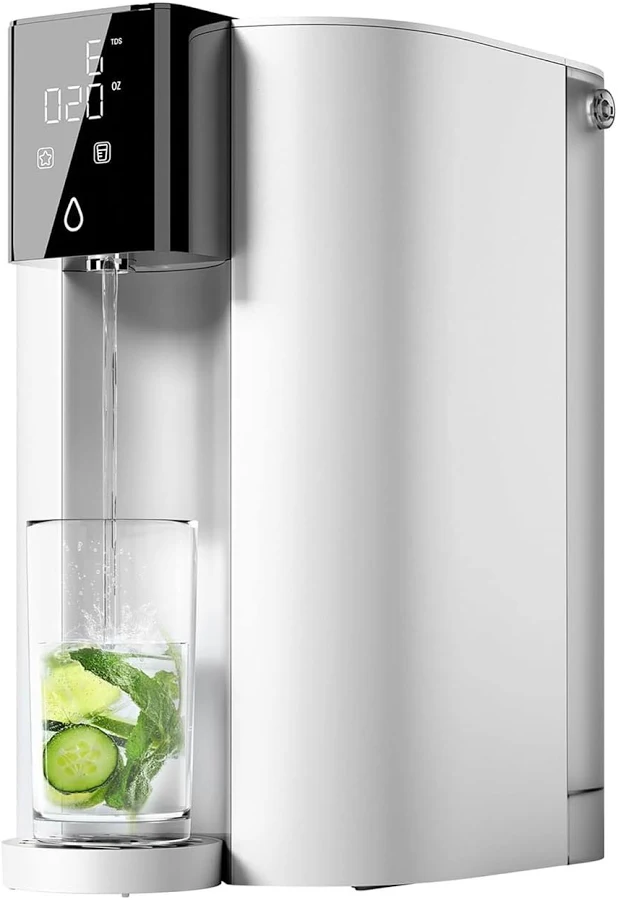
Tankless systems operate on a demand-flow system. When you turn on your smart faucet, the system purifies the water instantly on the spot. You receive crisp, freshly filtered water every single time, with no stagnant storage required.
3. Flow Rate: Say Goodbye to the “Trickle”
Have you ever tried to fill a large pot of water using an old-school RO filter? It is a test of patience. Once the storage tank runs dry, the system reverts to a slow trickle.
Modern tankless RO systems measure their output in GPD (Gallons Per Day). With massive capacities ranging from 800 GPD to an industry-leading 1600 GPD (found in the Waterdrop G3P800 and X16 series), these systems fill a glass of water in just a few seconds.
Comparison: Traditional Tank RO vs. Waterdrop Tankless RO
| Feature | Traditional Tank RO Systems | Waterdrop Tankless RO (e.g., G3P800 / X16) |
| Space Required | Massive (Takes up almost the entire cabinet) | Minimal (Ultra-slim, leaves 70% of cabinet free) |
| Water Freshness | Stored in a tank (Risk of secondary pollution) | Purified on-demand (Always fresh) |
| Flow Rate | Drops significantly once the tank empties | Consistently fast (Up to 1600 GPD / fills glass in seconds) |
| Installation Time | Complex (Requires 2–3 hours and advanced plumbing) | Simple (30-minute DIY, color-coded quick-connects) |
| Drain Ratio (Waste) | High (Often 1:3 or 1:4 waste-to-pure ratio) | Low (Eco-friendly 2:1 or 3:1 pure-to-waste ratio) |
Ready to reclaim your cabinet space? Explore the full range of tankless systems directly on the official Waterdrop Europe store to find your perfect fit.