Introduction: Engaging Every Sense for Lasting Learning
For decades, traditional learning models have often relied heavily on a single approach: rote memorization or simple visual repetition. But what if learning difficulties aren’t a failure to understand, but a challenge in how information is processed? This is where the Touch-type Read and Spell (TTRS) program shines, built upon the powerful foundation of the multi-sensory learning approach.
The TTRS method is not just about teaching you to type faster; it’s a comprehensive literacy intervention that engages three crucial senses—Visual, Auditory, and Kinesthetic (V-A-K)—to create robust neural pathways that anchor spelling and reading skills into long-term memory.
The Power of the Multi-Sensory Trio
When a student struggles to read or spell, the challenge often lies in connecting the sound of a word (Auditory) with its visual representation (Visual). TTRS strategically layers a third element: Kinesthetic (Touch) memory through touch-typing.
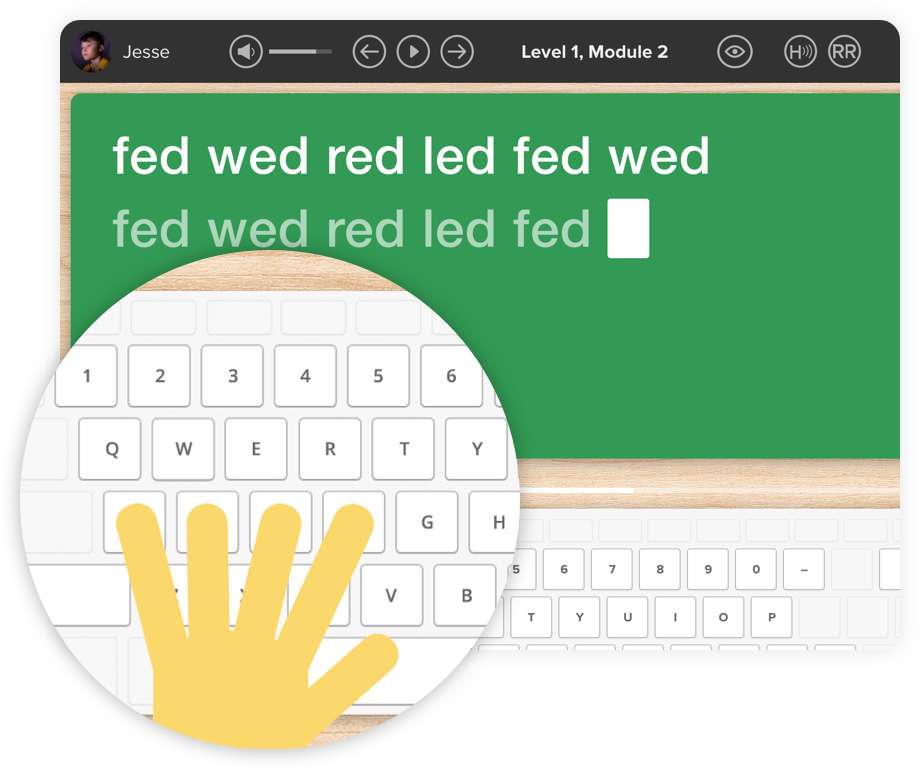
- Visual: The learner sees the word appear clearly on the screen, often in a highly customizable format (adjustable fonts, colors, and backgrounds to minimize visual stress).
- Auditory: The learner hears the word spoken aloud simultaneously via high-quality audio. This reinforces the sound-to-letter correspondence, a critical skill for decoding words.
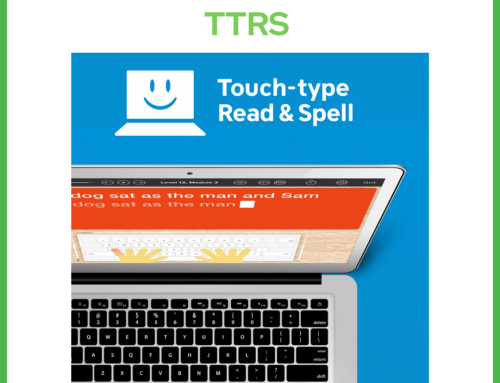
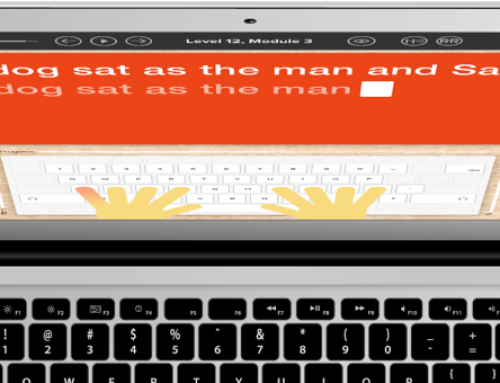
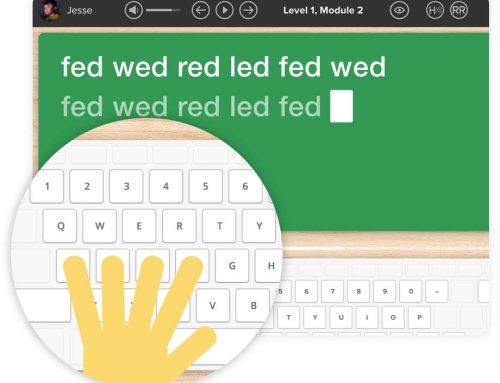
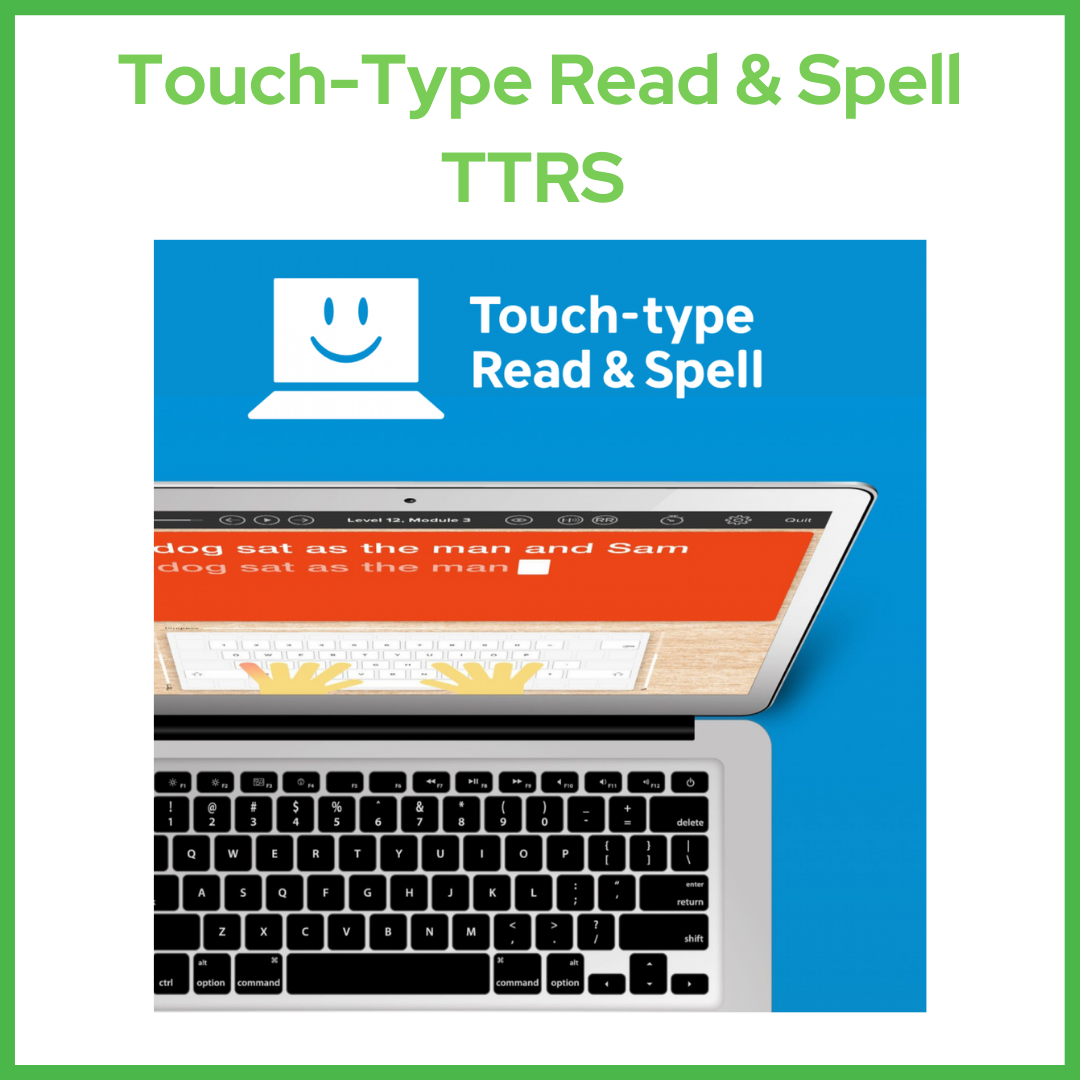
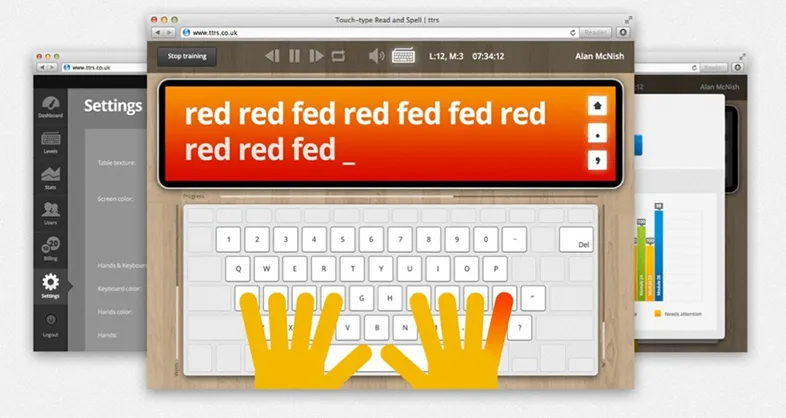
- Kinesthetic (Touch): The learner physically types the word, guided by on-screen hands. This act harnesses muscle memory in the fingers. The pattern of key-presses becomes a physical representation of the word’s spelling, creating a powerful memory trace that bypasses typical working memory constraints.
This triple-input system provides maximum reinforcement, ensuring that if one sense struggles to retain the information, the other two are there to solidify the lesson.
Rooted in Research: The Orton-Gillingham Connection
The success of TTRS is no accident; its content is meticulously developed in line with language and education research. Specifically, the core word lists follow the renowned Alpha to Omega scheme, which is based on the principles of the Orton-Gillingham approach.
Orton-Gillingham is one of the most respected, structured, sequential, and cumulative methods for teaching reading and spelling, particularly effective for individuals with dyslexia. By using a modular, step-by-step design, TTRS ensures that learners build a strong foundation, mastering basic phonics (like the five vowels) before moving on to more complex patterns and whole-word repetition. This over-learning and systematic repetition are key strategies for overcoming processing and working memory difficulties common in learning disabilities.
A Learning Environment Designed for Success
TTRS understands that a supportive environment is just as important as the method itself. The program is designed to be highly accessible and dyslexia-friendly:
- Modular Design: Lessons are broken into bite-sized modules, encouraging short, frequent, and highly focused sessions—perfect for individuals with attention challenges.
- Immediate Feedback: Students receive a score based on accuracy and completion, not speed. This removes the pressure of time and fosters a sense of immediate success and positive reinforcement.
- High Customization: Users can adjust colors, fonts, and display settings to meet their specific reading or sensory needs.
The synergy of the V-A-K approach and the research-backed structure transforms a perceived weakness in learning into a tangible strength, making TTRS a truly revolutionary tool for literacy development.
Ready to Experience the Multi-Sensory Difference?
If you’re ready to see how the TTRS multi-sensory course can unlock reading and spelling confidence for you or your learner, click here to start your journey today.