Introduction: Learning Without Barriers
The core mission of Touch-type Read and Spell (TTRS) goes beyond just teaching typing; it is about providing access to literacy for individuals who have been historically underserved by traditional education models. This commitment to inclusivity is embedded directly into the program’s design through a suite of powerful accessibility and customization features.
Whether a learner has dyslexia, dyspraxia, ADHD, Autism Spectrum Disorder (ASD), or specific visual or auditory processing challenges, TTRS has been engineered to adapt to their needs, ensuring the learning environment is as comfortable and distraction-free as possible.
Customizing the Visual Experience
Visual stress and distortions are common issues for individuals with dyslexia, and certain colors or fonts can make text appear to swim or flicker on the screen. TTRS gives the user control to eliminate these barriers:
- Color Themes: Learners can adjust the background and text colors to a combination that minimizes visual stress. Often, pastel colors or a darker background with lighter text (like cream or yellow) can make a profound difference in text clarity and reading endurance.
- Font Selection: The program allows for the use of specific, easy-to-read fonts, including those often recommended for dyslexic readers. Large, clear text ensures that the user’s full attention is on the content, not the effort of tracking the letters.
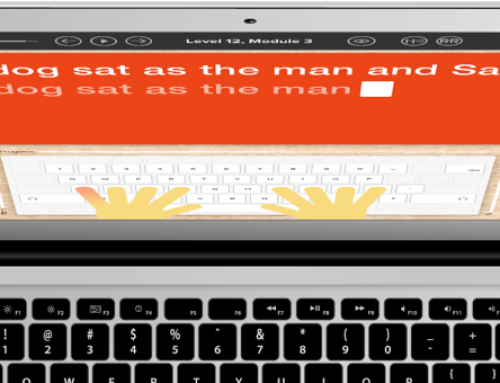
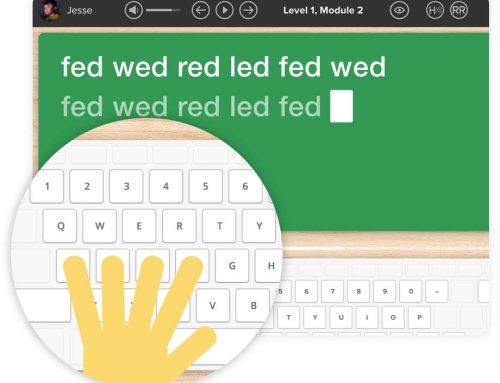
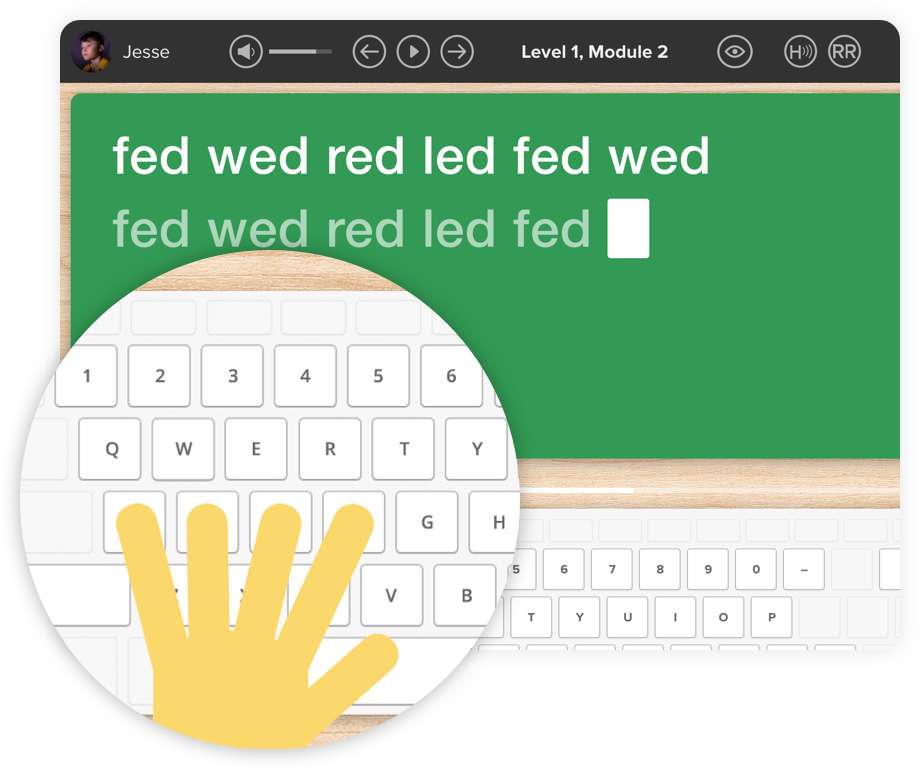
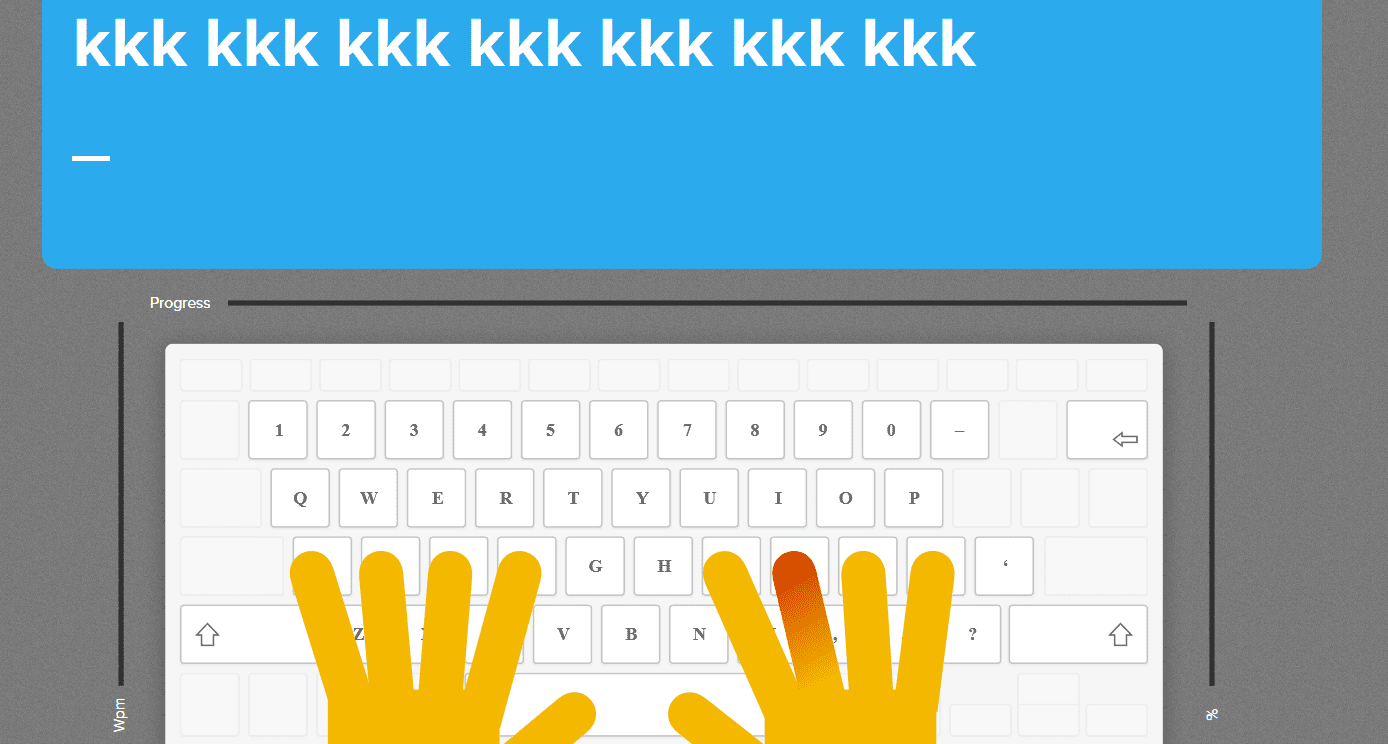
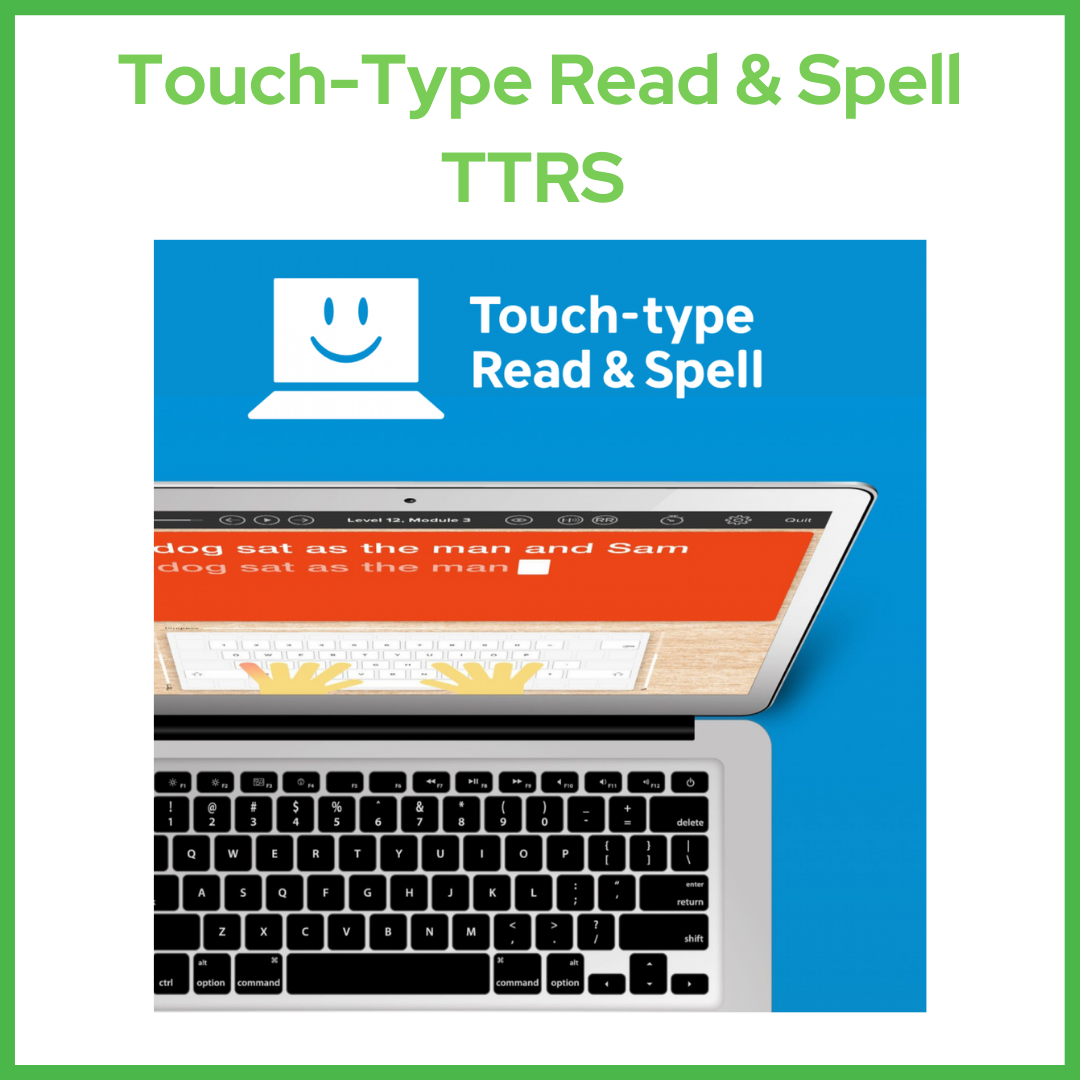
- Screen Guides: Optional guides, such as the on-screen hands, provide constant, non-judgmental feedback on which keys to press and with which finger. This is vital for individuals with dyspraxia or those needing extra motor planning assistance.
Addressing Sensory and Focus Needs
The multi-sensory approach is inherently therapeutic, but TTRS also implements design choices that specifically support individuals with sensory and attention-based difficulties:
- Auditory Control: Every word is spoken aloud, reinforcing the sound-to-symbol connection. Learners can use headphones to minimize environmental distractions and maximize focus on the auditory input.
- Modular Pace: The bite-sized nature of the modules is a game-changer for learners with ADHD or those who struggle with sustained attention. Success is achieved in short bursts, providing immediate positive reinforcement before attention wanes.
- No Speed Pressure: The system explicitly bases scores on accuracy and completion, not time. This eliminates the anxiety and pressure that can derail learning for many students, replacing it with a sense of calm, focused effort.
Beyond Core Literacy: Support for Other Conditions
TTRS’s flexibility extends its usefulness far beyond typical school-age learning difficulties:
- Stroke Recovery: The systematic repetition and focus on muscle memory through typing can be a valuable tool for adults rebuilding motor skills and language pathways after a stroke.
- Down Syndrome/Autism: The clear, predictable structure, positive feedback, and multi-sensory input offer a consistent and effective way to approach literacy skills.
By putting powerful customization controls directly in the hands of the user or their administrator, TTRS ensures that the path to literacy is not a one-size-fits-all road, but a uniquely tailored journey to success for every individual.
Find an Accessible Path to Literacy!
Ready to find a program that adapts to your unique learning style? Explore the customizable TTRS course here.