Introduction: The Literacy Gap and the Typing Solution
For many students with dyslexia, traditional phonics and sight-word methods can feel like trying to catch smoke. The common challenges—difficulty mapping sounds to letters, sequencing letters, and working memory constraints—create a significant barrier to spelling and reading fluency. While phonics instruction is essential, the missing piece for many is a reliable, physical way to lock that knowledge in.
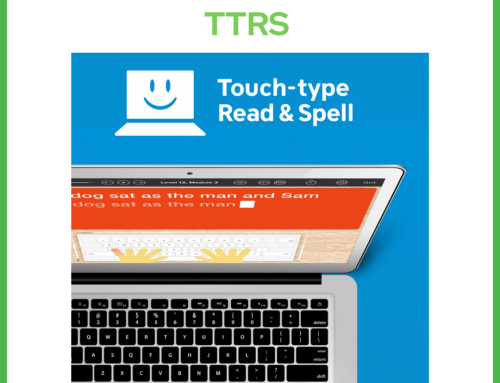
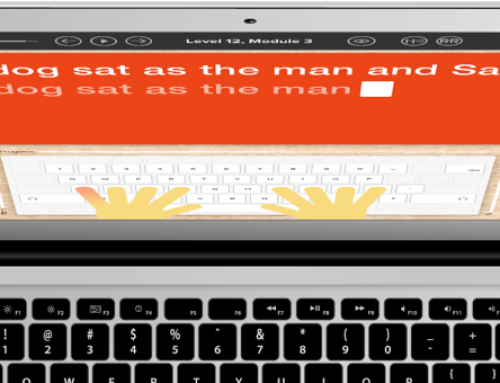
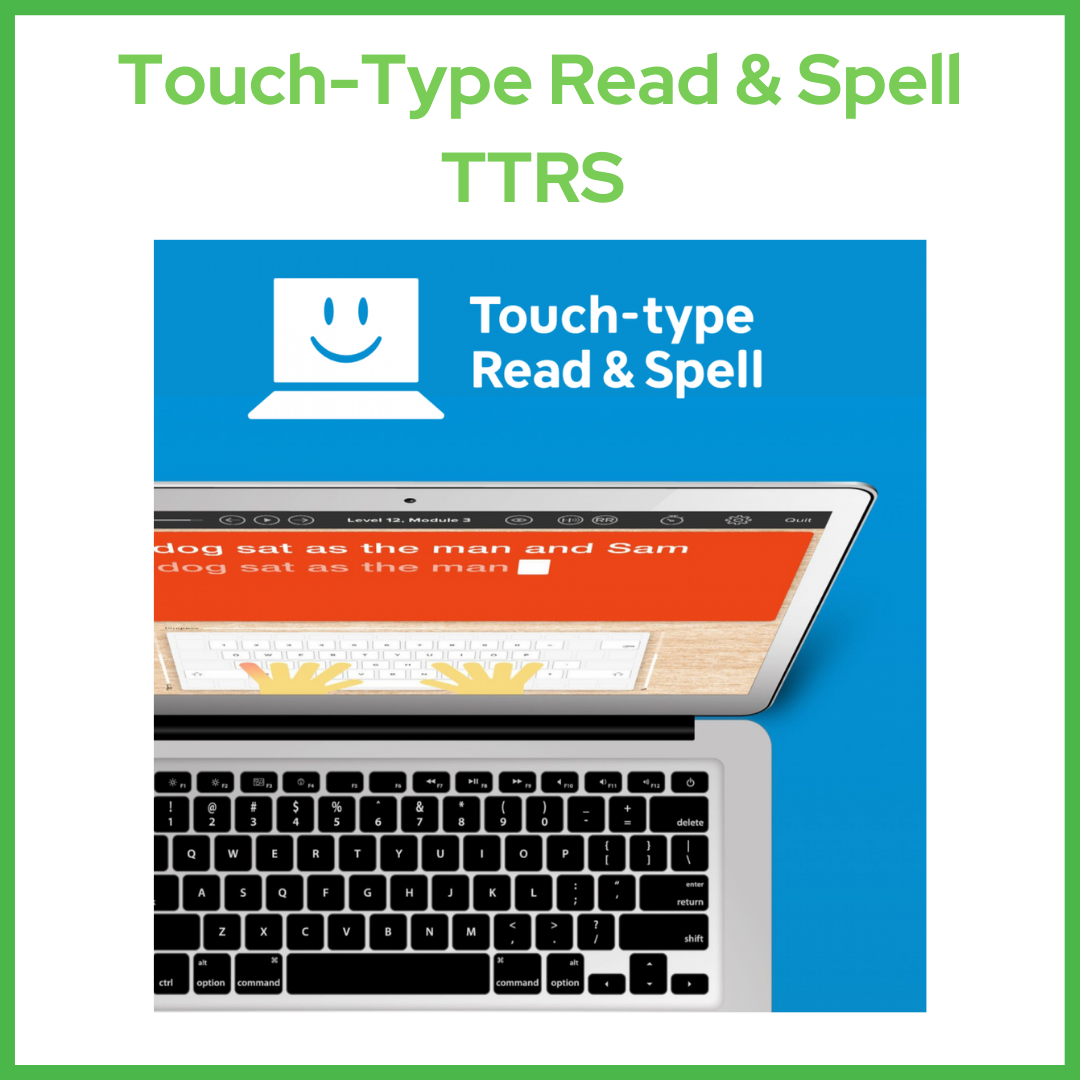
Enter Touch-type Read and Spell (TTRS). This program uses a simple, everyday skill—touch-typing—as a powerful, therapeutic tool to anchor literacy development, making it an indispensable resource in the dyslexic learner’s toolkit.
Why Traditional Methods Struggle with Dyslexia
Dyslexia is often characterized by phonological processing weaknesses. This means that even if a student hears the word correctly, the brain struggles to hold the sequence of letters long enough to write it down accurately or recognize it quickly for reading.
- Phonological Weakness: Connecting the /b/ sound with the letter ‘b’.
- Working Memory Issues: Holding the sequence of letters (e.g., c-a-t) long enough to spell the whole word.
TTRS addresses these issues head-on by moving the spelling process out of the short-term working memory and into the long-term procedural memory, also known as muscle memory.
The Kinesthetic Advantage: Spelling with Your Fingers
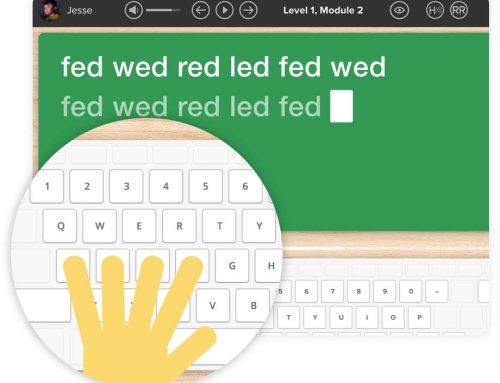
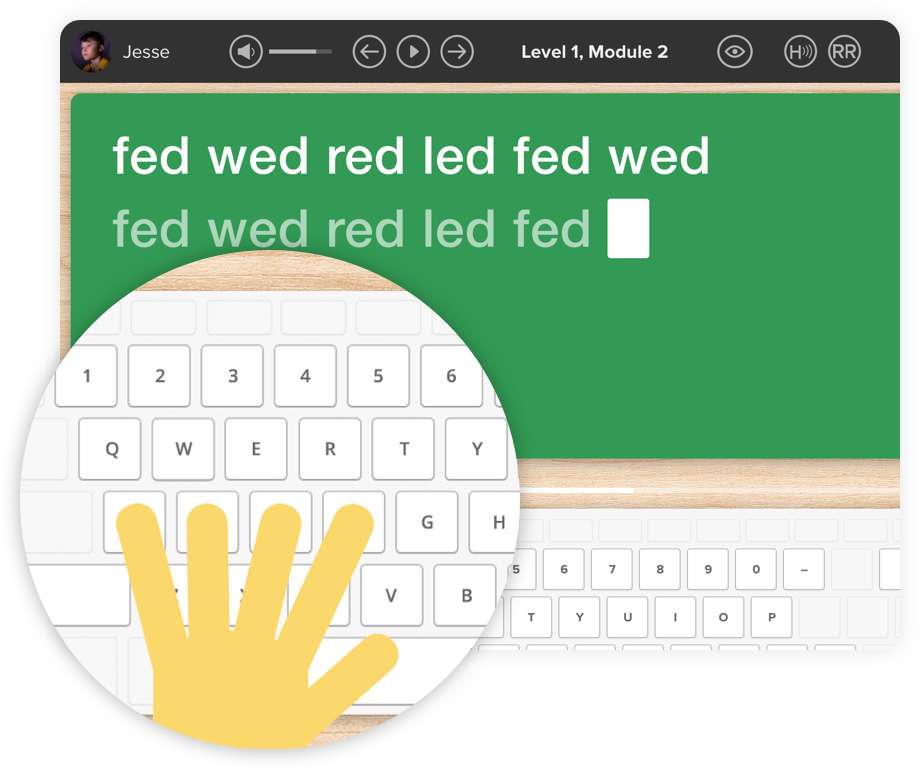
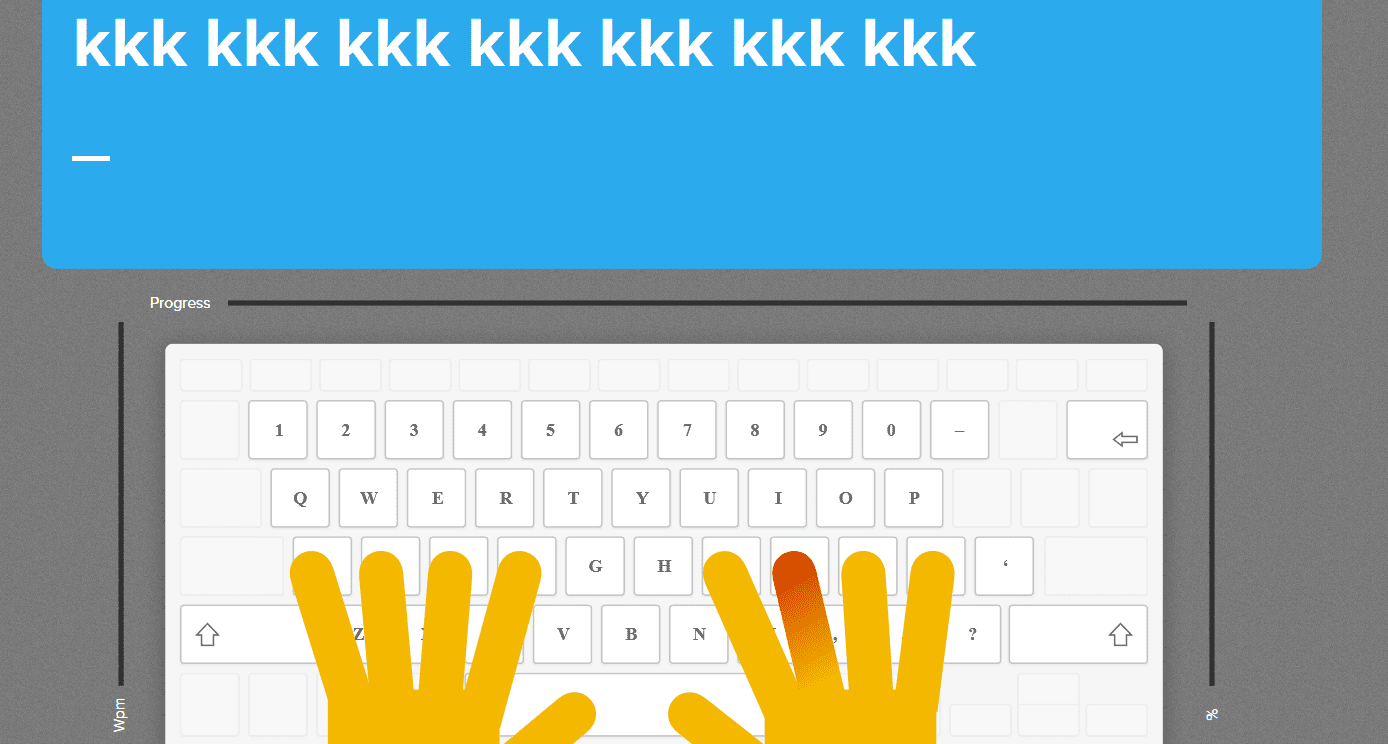
The core trick is the kinesthetic element. When you learn to touch-type a word like “apple” through the TTRS course, your fingers learn the sequence of movements: index finger down, ring finger up, index finger down, etc. This is the physical spelling of the word.
- Auditory Input: You hear the word “apple.”
- Visual Input: You see the word “apple.”
- Physical Memory: You feel the word “apple” through your fingers.
This physical, patterned response becomes automatic. Eventually, when a TTRS learner hears or thinks of the word “apple,” the muscle memory is triggered, making the correct spelling readily available without having to consciously sound out or memorize the letter sequence every time. This is especially helpful for commonly misspelled irregular words.
A Dyslexia-Friendly, Cumulative Curriculum
The content in TTRS is structured according to the proven principles of the Orton-Gillingham approach, meaning it is:
- Systematic and Sequential: Lessons start with the basic building blocks (the vowels: a, e, i, o, u) and build methodically to short vowel words, blends, and more complex structures.
- Cumulative: Every new lesson reinforces what was learned previously, ensuring mastery before moving on.
- Highly Accessible: Learners can customize the screen environment (colors, fonts, pace) to minimize common visual distortions and sensory overload often experienced by dyslexic individuals.
By transforming touch-typing from a mundane office skill into a revolutionary literacy aid, TTRS gives dyslexic learners a powerful, confidence-building tool to master reading and spelling on their own terms. It’s a trick that truly re-wires the brain for success.
Give Your Fingers the Power of Spelling!
Unlock the touch-typing trick that works for dyslexia. Find out more about the TTRS course and sign up today by following this link.