Introduction: Redefining the Role of the Keyboard
When you think of touch-typing, you likely imagine fast-paced data entry or efficient email writing. Speed is the goal, right? For the Touch-type Read and Spell (TTRS) program, the goal is far deeper. TTRS flips the script: touch-typing is not just a productivity skill; it’s one of the most effective, research-backed tools available for improving core literacy skills.
The secret? The physical act of typing provides a powerful, multi-sensory anchor for spelling and reading that traditional pen-and-paper methods often miss.
The Writing vs. Typing Disconnect
For a struggling speller or reader, handwriting can be a cognitive minefield. The brain is simultaneously trying to recall the spelling, remember the motor pattern for each letter’s formation, and connect that to the sound of the word. This high cognitive load often leads to frustration and mistakes.
Touch-typing, once mastered, becomes an automatic skill. You are no longer thinking about where the ‘A’ key is; your fingers simply know. TTRS utilizes this automation to free up the brain’s resources, allowing the student to focus entirely on the connection between the sound of the word and its spelling structure.
The Transfer of Muscle Memory to Literacy
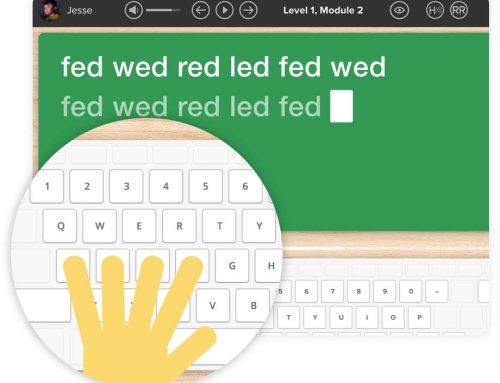
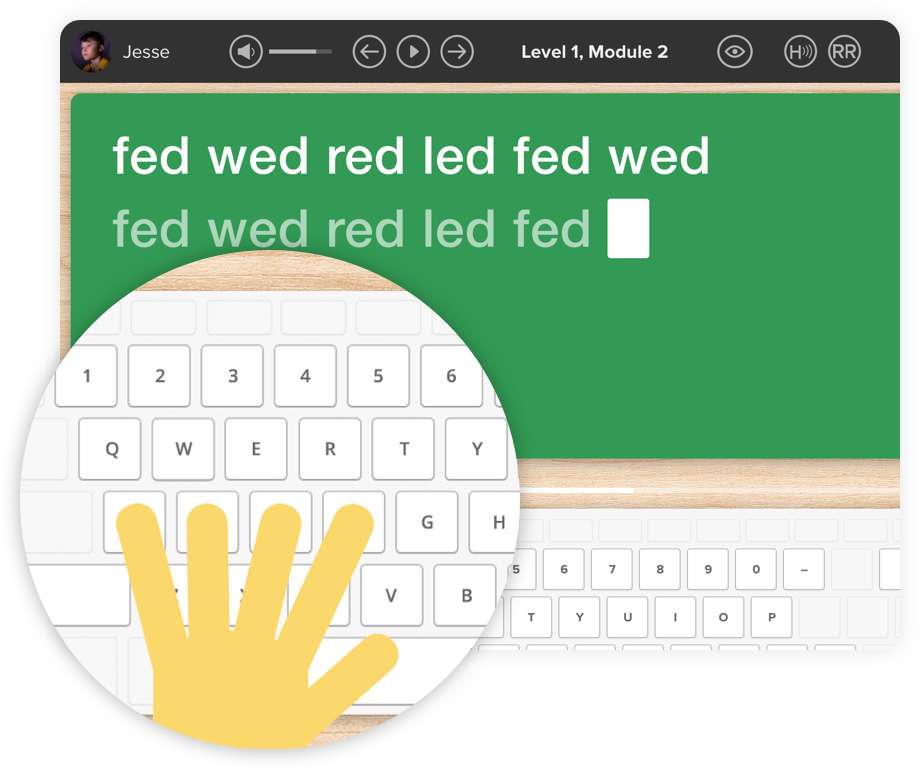
The key to TTRS is its unique methodology: words are grouped by phonetic structure (e.g., short vowel groups like “fed, wed, led”) and are introduced visually, audibly, and physically.
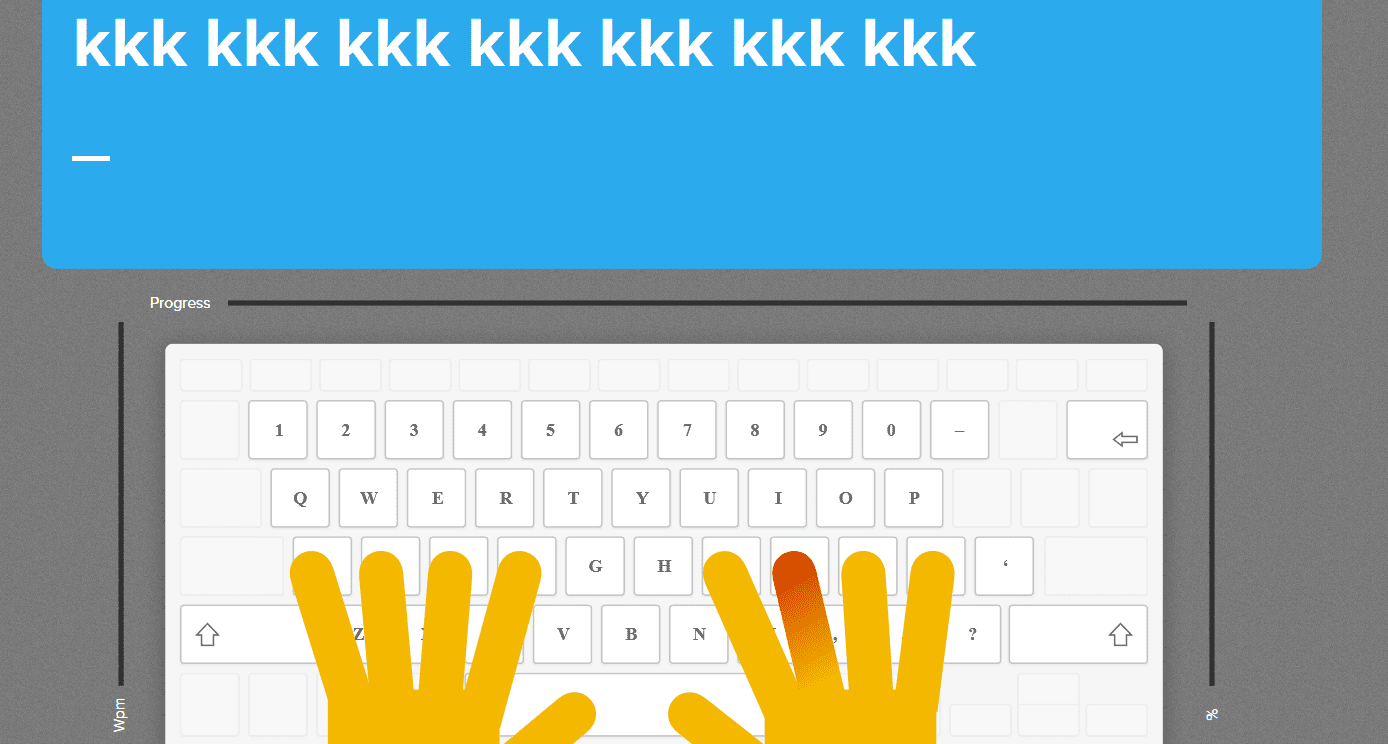
- Physical Encoding: The repetitive, structured finger movements required to type the words engrave the correct spelling sequence into the learner’s muscle memory.
- Repetition with Purpose: By typing words correctly, often multiple times, the student is “over-learning” the spelling without the struggle of conscious recall.
- Reading Reinforcement: Because the course is cumulative and uses word lists that reinforce common sound-letter patterns, the typing practice strengthens the learner’s ability to decode words when reading. The familiar finger pattern subtly reinforces the correct sequence of letters in their mind’s eye.
Bridging the Gap to Writing
Another significant benefit of TTRS is the transition to creative writing. The program includes Free Writing sessions to help users bridge the gap between typing learned words and constructing their own sentences.
When a student’s hands know the correct spelling for a huge vocabulary of words, they can then focus their cognitive energy on composition, grammar, and expressing their ideas—not on the mechanics of spelling. This shift is transformative, moving writing from a stressful chore to a rewarding form of self-expression.
Touch-typing taught through the TTRS multi-sensory method is far more than an administrative skill; it’s a powerful literacy booster that builds confidence and lays the groundwork for reading and writing fluency. Give your fingers a new purpose, and watch your literacy skills soar.
Transform Typing from a Chore to a Literacy Tool!
Ready to boost your or your child’s spelling and reading skills through the power of touch-typing? Start the TTRS course here.